



Unlike a carburettor classic, your M3W’s fuel injection depends on a high-pressure electric pump, sensitive fuel lines and an ECU, none of which enjoy sitting stagnant for months. It’s not complicated to manage properly. It just needs a plan before you cover the car, rather than a scramble when you uncover it in spring and nothing quite works the way you left it.
Fuel: Fill It, Don’t Drain It
Modern ethanol-blended fuel is hygroscopic, meaning it actively draws moisture out of the air around it. Left for months in a part-empty tank, that moisture causes phase separation, leaving a stale, mildly acidic residue that corrodes metal and gums up injectors from the inside. The fix is a bit counter-intuitive: fill the tank fully with premium fuel, which typically carries less ethanol, rather than draining it, so there’s far less airspace available for condensation to form in the first place. Add a fuel stabiliser at the pump before your final drive home so it circulates properly through the lines, pump and injectors rather than just sitting inert in the tank. Skipping this step is the single most common reason we see fuel system problems on cars coming out of a long lay-up.
Battery: Smart Conditioning, Not a Trickle Charger
Cold, inactive months can permanently damage a battery through sulfation, and a basic trickle charger genuinely isn’t the right tool for the job. A multi-stage smart conditioner cycles through proper charging stages before settling into a monitored float mode that counters natural discharge without overcharging the cells. This is exactly the kind of product we stock and fit ourselves; NOCO’s conditioners are among the brands we trust and supply. Clean the terminals before connecting one, and if your car has any parasitic draw from an alarm or a tracker, make sure whichever conditioner you choose is rated to handle it continuously. A battery that’s allowed to sit at a low state of charge over winter rarely recovers its full capacity, even if it seems to work fine come spring, so this is one area where a modest spend genuinely pays for itself.
Tyres & Brakes
A car sitting stationary for months will flat-spot its tyres under its own weight if you let it. Inflate to somewhere around 40 to 45 PSI, comfortably above normal running pressure, to stiffen the carcass and reduce that risk, checking the maximum figure stamped on the sidewall first. If you’re using axle stands rather than leaving the car on its wheels, position them under the suspension geometry rather than letting the wheels hang completely free, which stresses dry rubber bushings for no good reason. The one genuinely easy mistake to avoid: leave the handbrake off. Moisture during storage can bond the pads or shoes directly to the discs, and a clamped handbrake only makes that seizure worse. Wheel chocks do the job of holding the car in place just as well, without the risk.
Moisture & the Bodywork
Wash and dry the car thoroughly before covering it, including underside grime and wheel arches, then apply a protective wax while it’s clean and dry. A breathable indoor cover is worth the extra money over a cheap plastic sheet, which traps condensation underneath it rather than letting it escape. Hero Covers, one of the specialist partners we work with, make bespoke breathable covers finished with a printed image of the actual car underneath, so an M3W laid up for winter still looks the part rather than disappearing under a plain grey sheet. In an unheated garage, a plug-in dehumidifier or desiccant bags left in the footwells go a long way toward keeping upholstery, carpets and electrical connectors properly dry over several months.
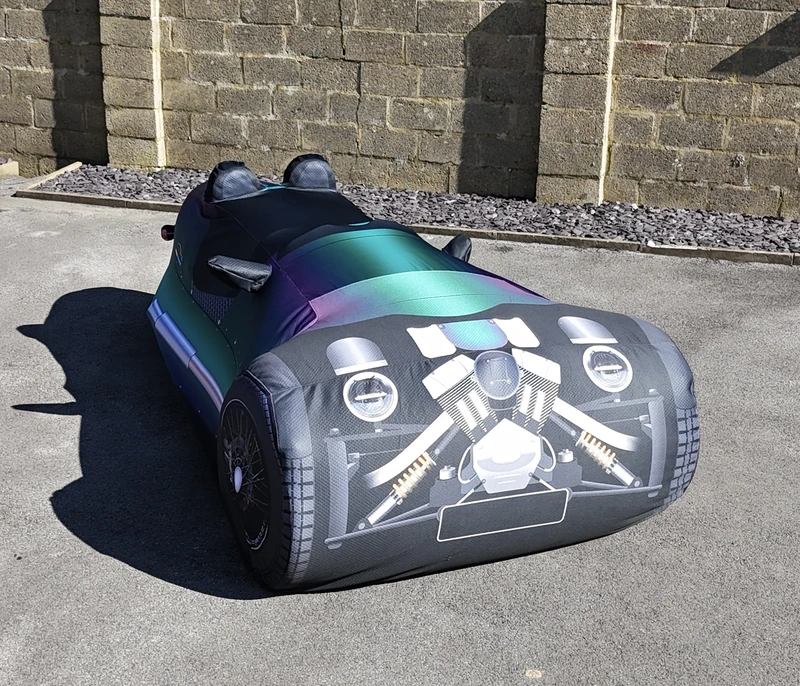
An M3W under its bespoke Hero Covers wrap, printed with the car’s own colours rather than a plain sheet.
Use code ‘M3W’ for 5% off + a GiftThe single most common mistake we see coming out of winter storage isn’t fuel or battery related at all. It’s a handbrake left engaged, seized solidly after months of damp storage.
Insurance and SORN, Don’t Assume
If the car is going to sit unused on private land for the whole winter, it’s worth checking whether a Statutory Off-Road Notification actually suits your situation better than keeping it taxed and insured, since laying a car up on SORN typically reduces your insurance costs too. That said, plenty of owners prefer to keep the car insured and taxed through winter for the flexibility of an unexpected dry, sunny weekend, and either approach is fine. What matters is making the decision deliberately rather than defaulting to whatever you did last year without checking it still makes sense. If security is a concern in an unheated or shared garage, a decent wheel clamp or tracker earns its keep over a long lay-up far more than it does during a normal driving season.
Waking It Up Properly in Spring
Resist the urge to just turn the key and see what happens. A proper wake-up starts with a static check: look underneath for fresh fluid drops, check the engine bay for any signs of rodent activity over winter (chewed wiring and hoses are more common than people expect), verify the oil level, and bring tyre pressures back down to road spec before you go anywhere.
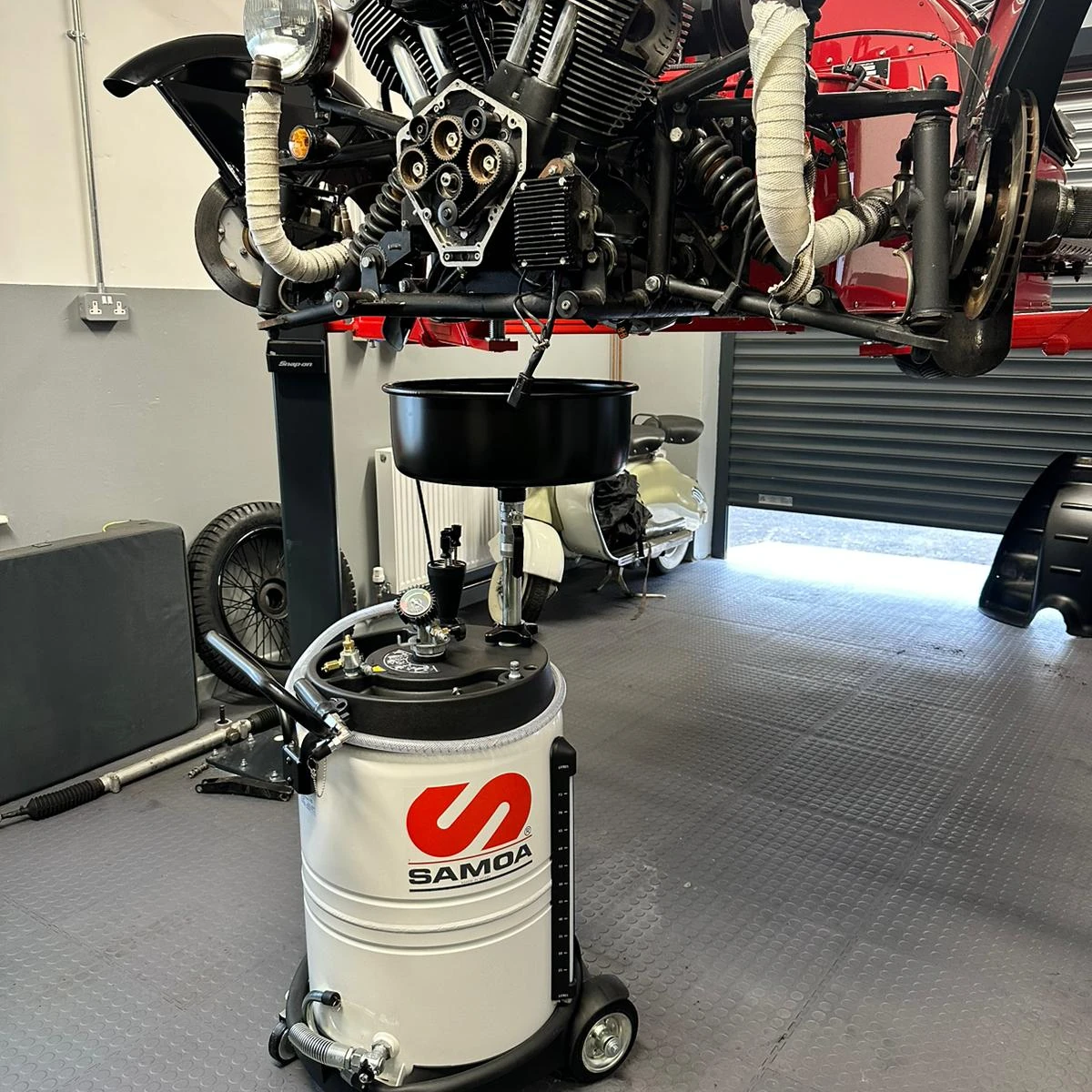
Check your oil tank level before starting the engine, because wet sumping is a common problem over longer periods of storage. If the oil level in the tank has visibly dropped, then the likelihood is that oil has drained into the sump. Major oil loss from the tank requires draining the sump. Minor loss can normally be scavenged by the oil pump when starting with a fully charged battery. Getting oil circulating properly through the top end before the engine actually fires is worth doing carefully rather than skipping, since an engine that’s sat unused for months benefits from it more than one that’s been driven regularly.
That full sequence, the static inspection, a careful first start, and a cautious first drive checking that brakes and suspension respond normally, is exactly what we build into a spring recommissioning check. If your M3W has been laid up over winter, it’s worth having done properly by someone who knows what to look for, rather than guessing and hoping the first drive of the season goes to plan.