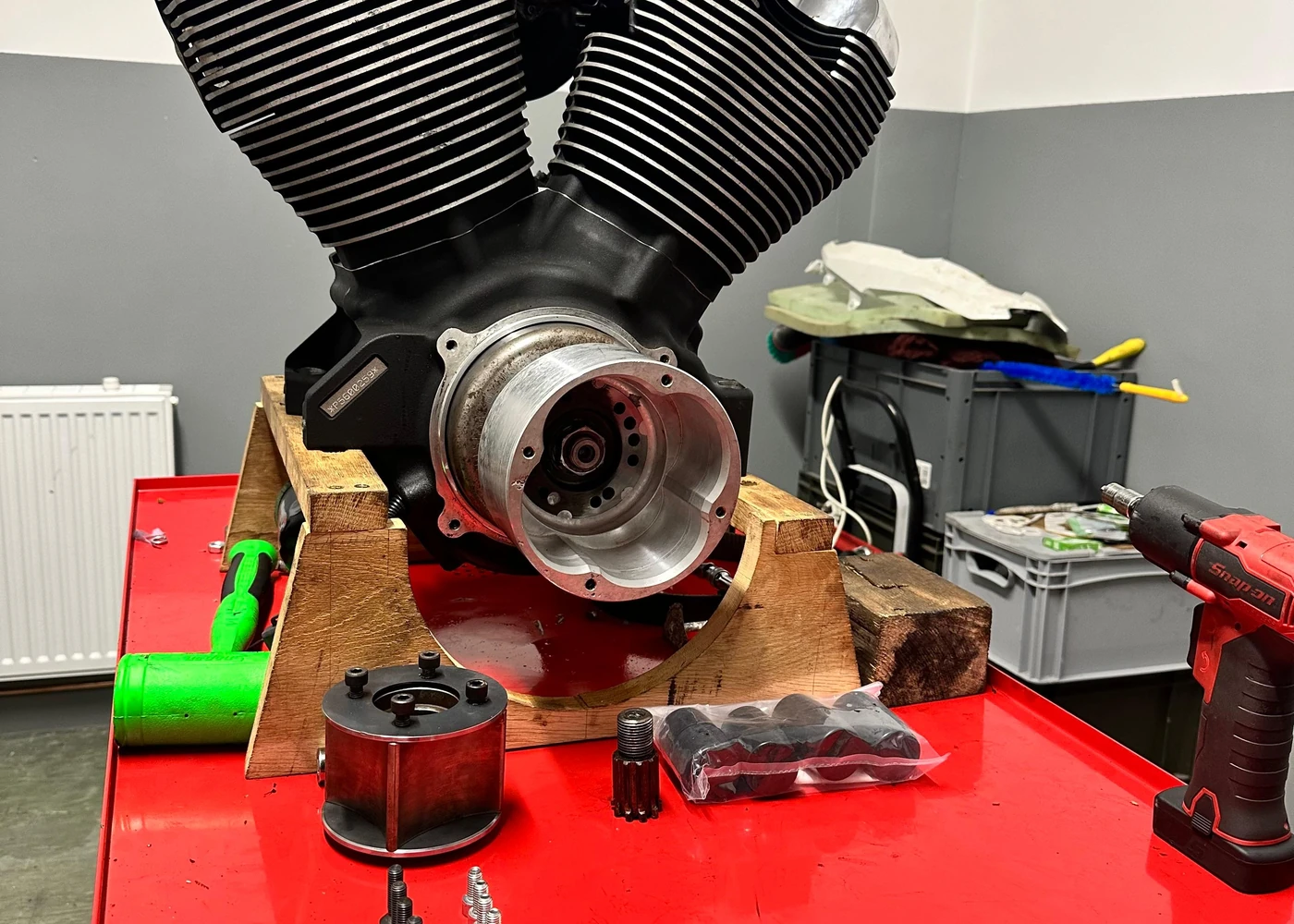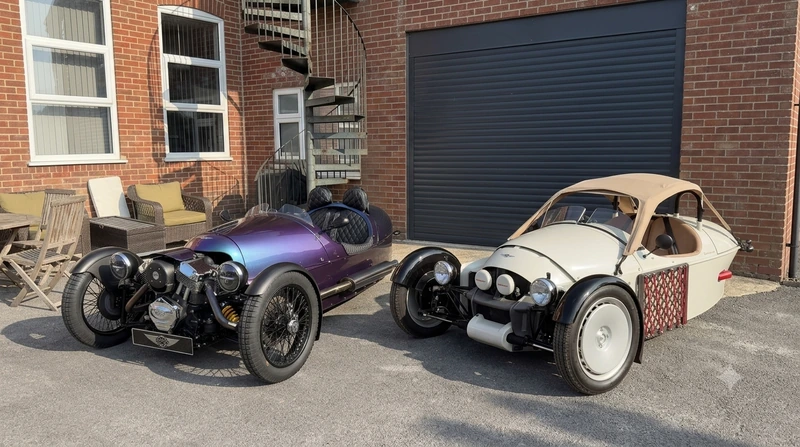



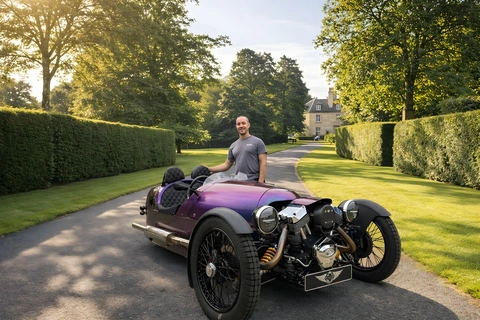
Look at the front of a Morgan 3-Wheeler and an S&S X-Wedge stares back at you: an enormous, air-cooled V-twin that looks and sounds like nothing else on two wheels, let alone three. Understanding this engine is understanding most of what makes the M3W what it is, wear points included.
It’s an unusual choice at a glance, a motorcycle-derived V-twin doing car duty, and understanding why it works helps explain both the driving experience and the maintenance requirements that come with it.
Technical Specifications
| Feature | Specification |
|---|---|
| Engine type | Air/oil-cooled, 56.25° pushrod V-twin |
| Displacement | 1,983cc (121ci) |
| Bore x stroke | 104.8mm x 111.1mm |
| Valvetrain | 3-cam layout, dry belt-driven |
| Crankshaft | One-piece forged steel |
| Max power (standard) | 82 bhp @ 5,250 rpm |
| Max torque | 140 Nm @ 3,250 rpm |
Why S&S Designed It This Way
S&S Cycle built its name for decades as an aftermarket performance house for Harley-Davidson engines. The X-Wedge is a genuine clean-sheet engine, engineered specifically to meet the stringent EPA and European emissions regulations of the time rather than adapted to scrape past them. Its 56.25 degree V-angle, noticeably wider than the traditional 45 degree Harley-style twin, isn’t just about looks. The wider angle improves primary balance and, combined with increased fin area, gives the engine 30 to 50 percent better cooling than a conventional design. That matters a great deal when the engine sits fully exposed to the airflow. The wider fin area genuinely earns its place in the design rather than being a cosmetic flourish.
Why Morgan Chose It
For Morgan, the X-Wedge offered turn-key emissions compliance, a genuinely robust automotive-grade bottom end built around a one-piece forged crankshaft, and, just as importantly, the mechanical theatre that’s core to the 3-Wheeler’s entire identity. No water-cooled engine tucked out of sight would have delivered the same experience, and that trade-off was clearly deliberate rather than a compromise Morgan settled for. Sourcing a proven engine from an established specialist also meant Morgan, a small manufacturer by any standard, didn’t have to develop and certify a powertrain from scratch on top of everything else involved in bringing the 3-Wheeler to market.
Why It Sounds the Way It Does
Part of the X-Wedge’s appeal has nothing to do with engineering specification sheets. That 56.25 degree V-angle produces an uneven, syncopated firing pattern rather than the smooth, evenly-spaced beat of a four-cylinder engine, and it’s this irregular rhythm, combined with the exposed exhaust routing sitting right beside the cockpit, that gives the classic M3W its unmistakable idle and its aggressive bark under load. It’s not subtle, and it was never meant to be. That same irregular firing pattern is exactly what places the load on the drivetrain compensator described above, so the character and the maintenance requirement are genuinely two sides of the same engineering decision, not an unrelated flaw.
Known Characteristics & Quirks
Three things are worth understanding about how this engine actually behaves day to day.
- Torsional pulses: the big displacement and uneven firing order generate real torsional vibration. This is the direct cause of the drivetrain compensator wear covered in our reliability guide, and it’s not a fault so much as the price of admission for this kind of engine.
- A dry timing system: the cams themselves are lubricated, but the 30mm timing belt runs in an external, dry chest. Any oil leak into that chest degrades the belt and risks a serious timing failure, which is exactly why we check for leaks specifically rather than assuming a bit of oil weep is purely cosmetic.
- An aggressive cold-start map: the engine often idles at 1,500rpm or higher initially to build oil pressure quickly, and because cooling relies entirely on airflow rather than a fan, it’s genuinely prone to heat-soak if idled for long periods in stop-start traffic.
None of these are defects. They’re the direct consequence of putting a big, air-cooled V-twin somewhere a water-cooled four-cylinder would normally sit, and once you understand why each one happens, none of them are particularly alarming to live with.
What This Means for Ownership
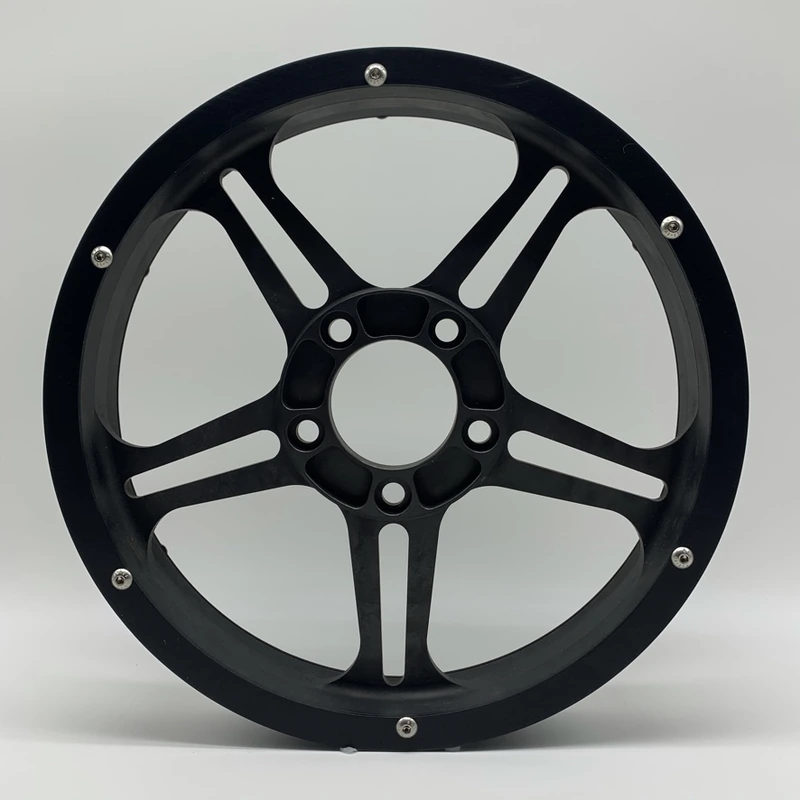
Here’s the reassuring part: the X-Wedge’s bottom end is genuinely tough, routinely surpassing 50,000 miles without issue. Almost every failure we actually see happens in the surrounding drivetrain, the compensator, the bevel box, or the charging system, rather than in the engine block itself. That’s a distinction worth holding onto if you’re nervous about buying one: the engine isn’t the risk, the supporting cast around it is. Common preventative upgrades include an electric urban cooling kit fan for stop-start traffic, and replacing the stock alloy rear sprocket with a steel version better able to handle the torque pulses without wearing quickly, both covered in our upgrades guide. In our experience, owners who understand this split, engine solid, drivetrain needs watching, tend to get on with these cars far better than those expecting it to behave like a normal engine in every respect.
If you’re considering a car for the first time, it’s worth asking any seller directly which of these preventative upgrades have already been done, since a well-sorted example genuinely feels and sounds different from one that’s never had the attention it needs. We cover exactly what to check and what to ask in our buying guide, and it’s worth reading alongside this one if you’re weighing up a specific car.
The X-Wedge’s reputation issues aren’t really about the engine. They’re about everything downstream of it. Understand that distinction and the maintenance story makes a lot more sense.
Parts Availability Today
One thing worth knowing before you commit to an M3W: the engine didn’t meet Euro 6 emissions regulations and is now out of production in its Morgan form. Spare parts are difficult to find and obtain, which can be challenging in terms of repairs and maintenance. Specialist producers are engineering solutions to spare part requirements to keep these vehicles on the road for generations to come, and sourcing those solutions is a large part of what a specialist workshop actually does for you.